Cabin design influences brand perception as much as wait times. See how architects and suppliers align finishes, lighting and acoustics for premium rides.
The elevator cabin is a moving room—often the first interior space visitors experience in a premium building. Developers increasingly treat it as a branding asset, not a commodity steel box.
Materials & finishes
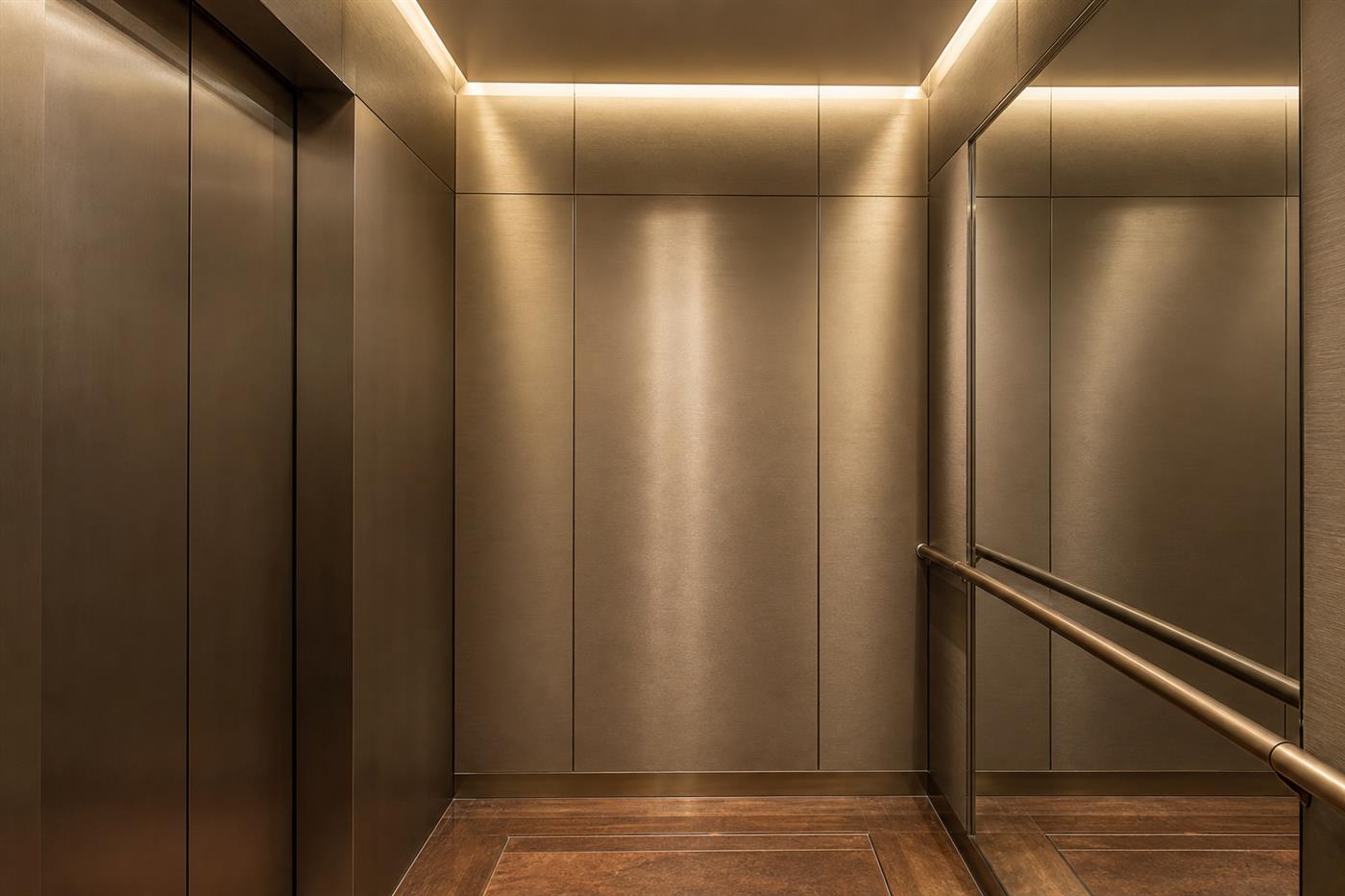
Brushed stainless remains dominant, but warm metals, textured laminates and stone-look panels differentiate hospitality and residential projects. Anti-fingerprint coatings and easy-swap panel systems reduce maintenance cost.
Lighting & acoustics
Indirect LED coves, tunable white temperature and emergency lighting integration improve comfort. Quiet fans, damper mounts and panel isolation address noise complaints that show up in post-occupancy surveys.
Digital design workflows
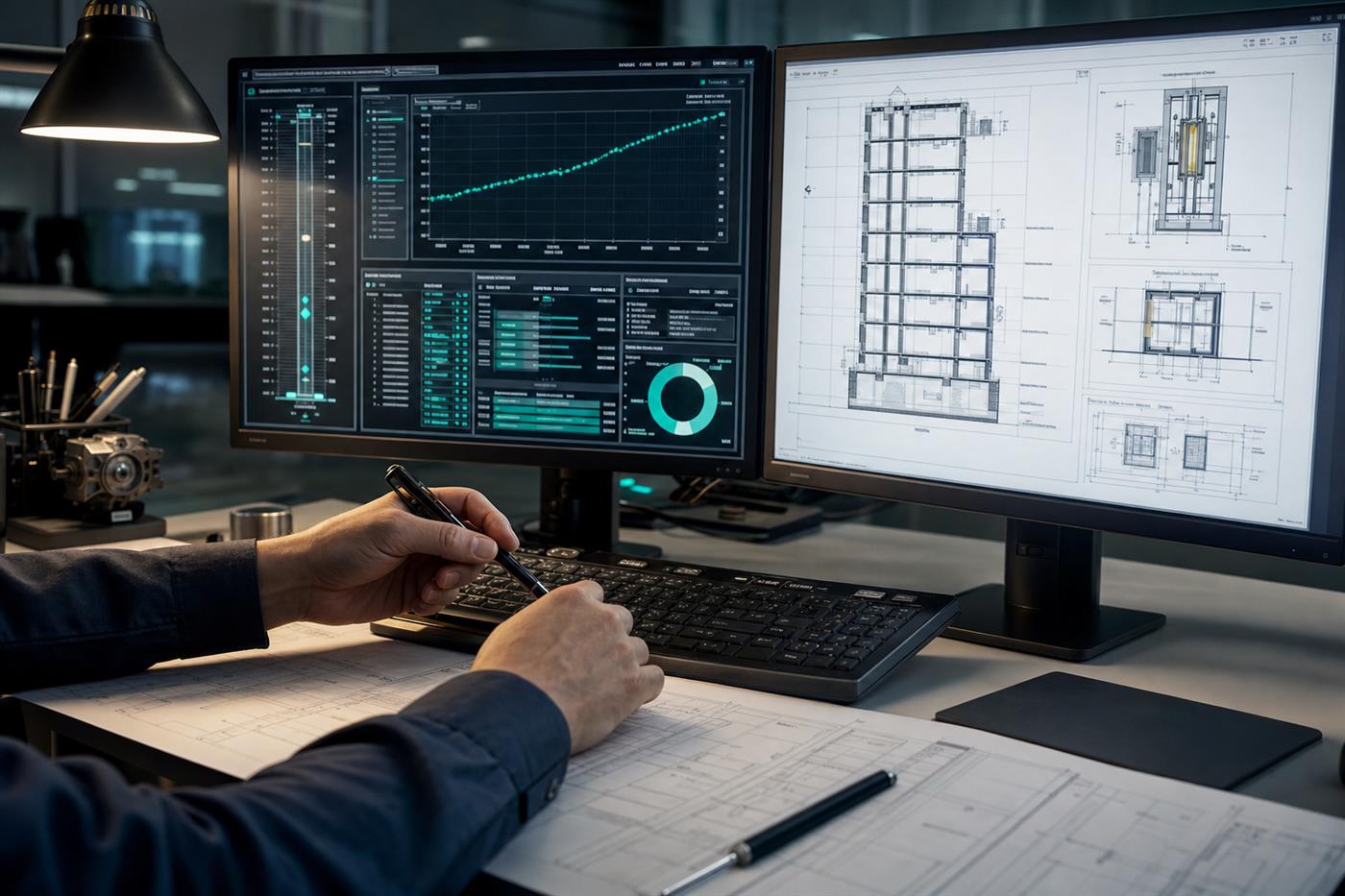
Clients expect visual approvals before fabrication. Interactive 3D previews—like those in Liftaro Design Customization—accelerate sign-off, reduce change orders and create marketing assets for brochures and showroom displays.
Design for maintenance
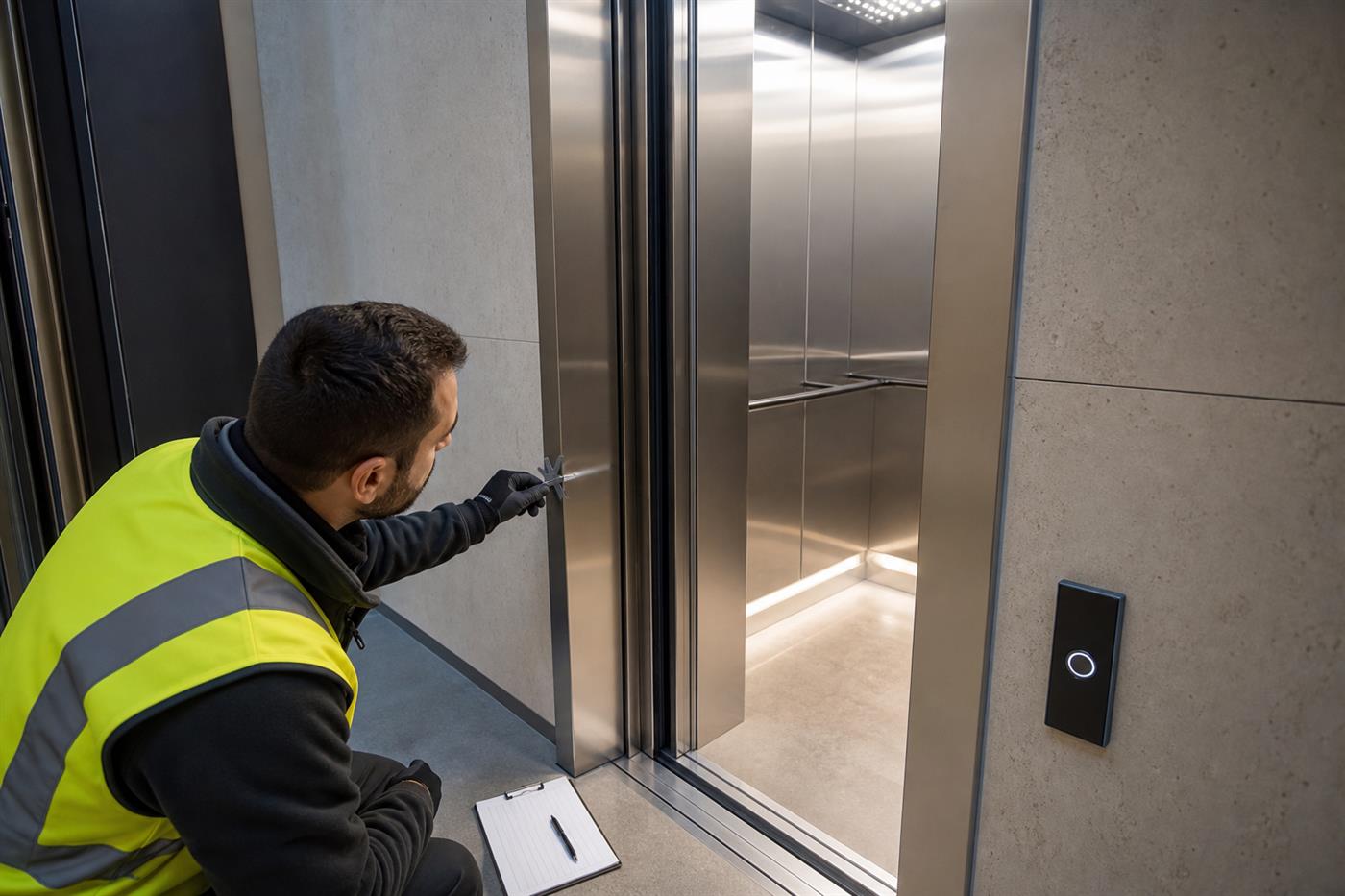
Beautiful cabins fail operationally if light fixtures, door operators and panels are hard to service. Involve the maintenance contractor early so aesthetic choices remain practical for a 20-year service life.